
Who is Liable: Car Owner or Driver?

When you suffer an injury in a car accident, determining who’s financially responsible for your damages can be more complicated than it first appears. The person behind the wheel isn’t always the only party liable for your injuries and losses.
Understanding the relationship between car owners and drivers is crucial for ensuring you receive full compensation. This complexity makes working with an experienced car accident attorney essential for protecting your rights and maximizing your recovery.
Understanding Basic Liability Principles
Vehicle liability involves various legal theories that apply depending on the circumstances of the accident. Driver liability typically forms the basis of most car accident cases, where the person operating the vehicle negligently causes an accident.
However, owner liability can also exist, particularly if the vehicle’s owner has specific responsibilities. The distinction between these types of liability matters because it affects which insurance policies apply and the potential compensation available. In some cases, both the driver and owner may be liable, providing multiple sources of recovery for injuries and damages.
When Car Owners Are Liable
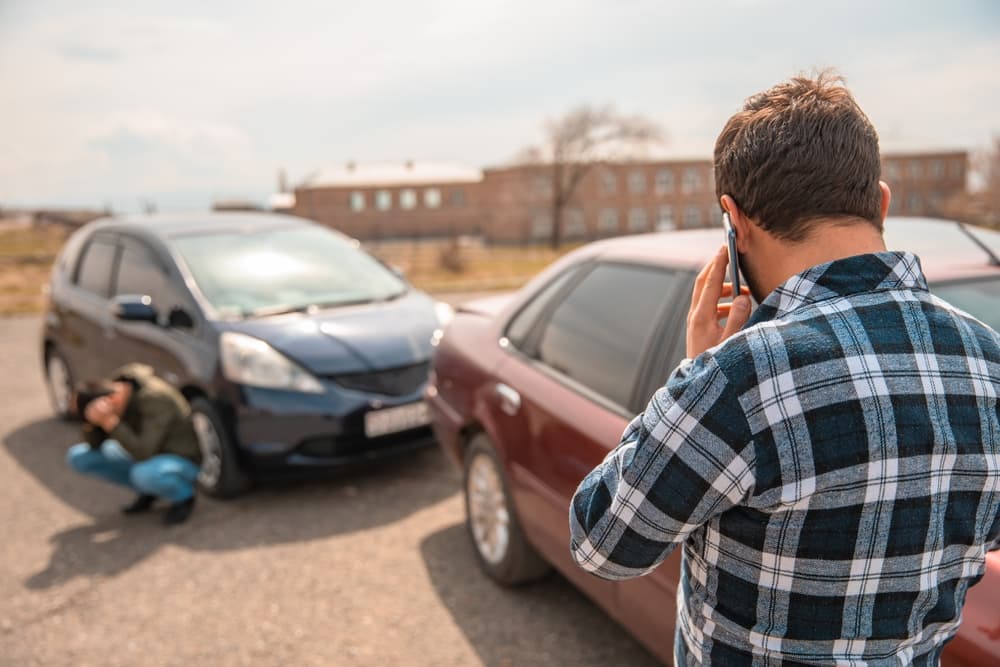
Car owners can be held responsible for accidents caused by other drivers in certain scenarios. Permissive use liability applies when owners allow others to drive their vehicles, extending their insurance coverage to the permissive user.
However, the scope of permission can be disputed if the driver uses the vehicle for an unauthorized purpose. Negligent entrustment occurs when owners lend their vehicles to individuals they know or should know are unsafe drivers.
Proving this requires evidence of the driver’s dangerous tendencies, such as previous accidents or traffic violations. These scenarios can provide additional insurance coverage and recovery options for injured parties.
Family Car Doctrine and Household Liability
Many states have laws that make car owners liable for accidents caused by family members driving their vehicles. The family car doctrine holds parents responsible for accidents caused by their children, without requiring proof of negligent entrustment.
Some states extend this liability to spouses and household members, ensuring injury victims can access the vehicle owner’s insurance coverage. This doctrine typically applies when the vehicle is used for family purposes or with general permission.
However, liability may be limited if a family member takes the vehicle without permission or uses it for non-family activities. These laws recognize shared vehicle use among household members.
Employer Liability for Employee Drivers
When employees cause accidents while driving company vehicles, both the employee and employer may be liable for resulting damages. It creates additional recovery options for injured parties and often provides access to larger insurance policies.
Respondeat superior, or vicarious liability, makes employers automatically responsible for employee actions performed within the scope of their employment. It includes driving company vehicles and using personal vehicles for work-related activities. The employer’s liability exists regardless of whether they were negligent in hiring, training, or supervising the employee.
The scope of employment can be broadly interpreted in vehicle accident cases. Employees who cause accidents while running work-related errands, traveling between job sites, or commuting in certain circumstances may create employer liability. However, purely personal activities that happen to occur while driving a company vehicle may not qualify.
Negligent hiring and supervision can create additional employer liability beyond vicarious liability. If an employer hires someone with a poor driving record for a position requiring driving, or fails to properly train employees who operate company vehicles, they may be directly liable for accidents that result from their negligence.
Rental Car and Leasing Situations
Rental cars and leased vehicles create complex liability situations. Rental companies require renters to have insurance, which is primary in case of accidents. However, the rental company’s insurance may provide secondary coverage if the renter’s insurance is insufficient.
Authorized drivers on rental agreements are typically covered, but unauthorized drivers may not be, limiting recovery options. Leased vehicles are treated like owned vehicles for liability purposes, with the lessee’s insurance as primary coverage.
The leasing company may retain some liability if it failed to maintain the vehicle or lease it to someone with a poor driving record. Understanding these relationships is vital for identifying potential compensation sources.
Independent Contractor and Gig Economy Issues
The rise of rideshare services, delivery drivers, and other gig economy workers has created new liability questions when these drivers cause accidents. These situations often involve multiple parties and complex insurance arrangements.
Rideshare companies like Uber and Lyft provide different levels of coverage depending on what the driver was doing when the accident occurred. The company’s commercial insurance typically provides primary coverage when drivers are actively transporting passengers or en route to pick up passengers. However, coverage may be limited when drivers are simply logged into the app but not actively working.
Delivery drivers present similar complications. Companies may provide insurance coverage when drivers are actively making deliveries, but personal use of the vehicle may only be covered by the driver’s personal insurance. The timing and purpose of the trip significantly affect available coverage.
Independent contractor agreements often attempt to shift liability away from the companies that hire these drivers. However, these agreements don’t necessarily protect companies from liability to third parties injured in accidents. The specific terms of the agreement and the nature of the work relationship determine actual liability.
Why a Trusted Car Accident Lawyer Matters

Determining liability in multi-party cases is best handled by a car accident lawyer. Insurance companies often try to shift blame to minimize their exposure, making skilled representation essential. A qualified attorney investigates all potential sources of liability and insurance coverage, revealing additional recovery options that can increase compensation.
They understand how to apply different liability theories and identify parties you may not have considered. By hiring a car accident attorney, you avoid settling too quickly and potentially missing out on compensation from other liable parties.
Protecting Your Rights and Future
When multiple parties may be liable for your accident, taking the right steps early in the process can significantly impact your eventual recovery. Working with an experienced car accident attorney ensures that all potential sources of compensation are identified and pursued.
Contact a qualified personal injury lawyer today to discuss your case and learn about all your legal options. The consultation is typically free, but the comprehensive legal analysis you’ll receive can make the difference between partial recovery and full compensation for your injuries and losses.