
How Common Is Drug-Impaired Driving in Illinois? A Look at the Data and Your Rights
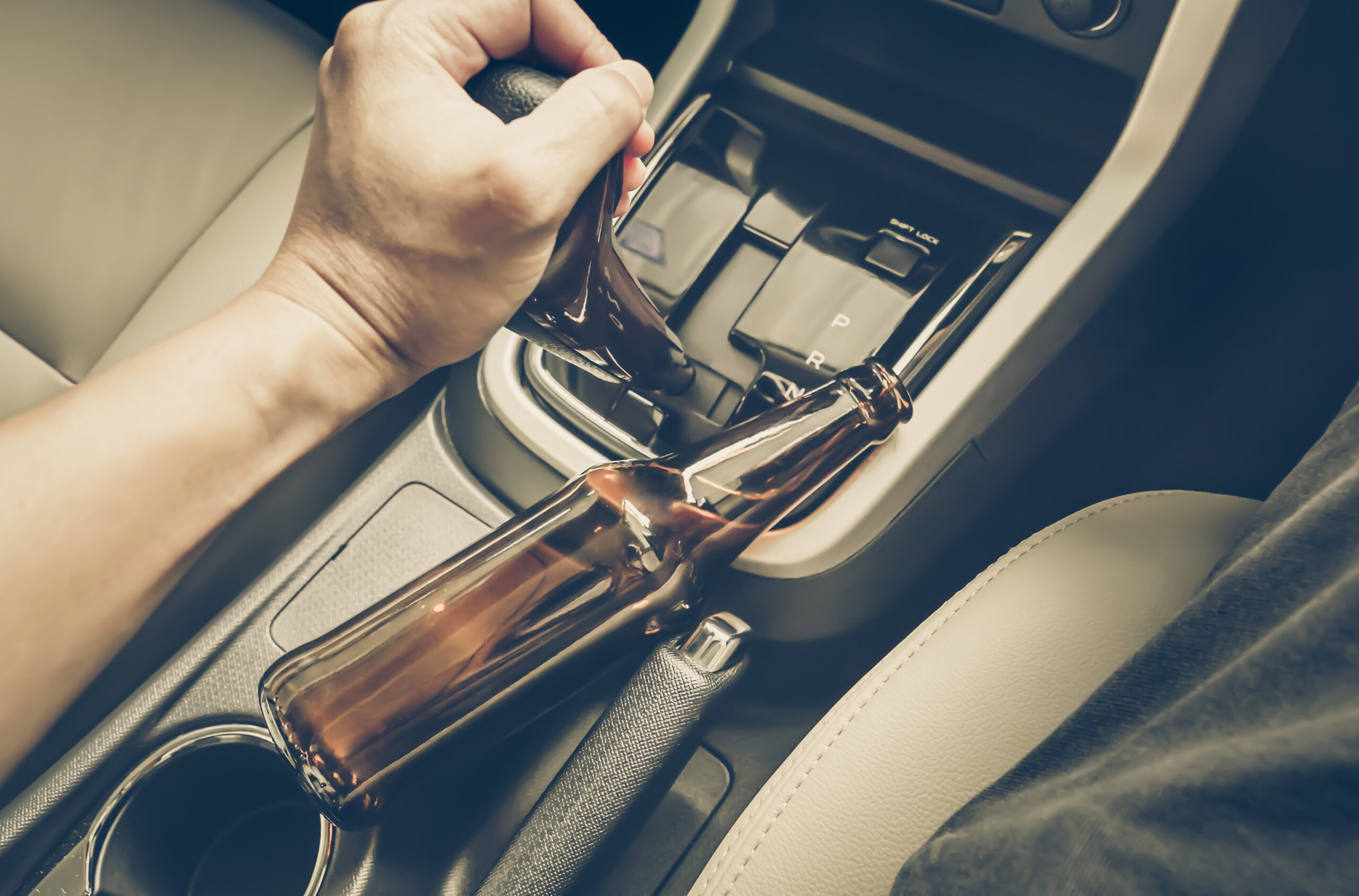
The simple answer is that drug-impaired driving is far more common than most of us would like to believe. A recent study revealed that 56% of drivers involved in serious injury and fatal crashes tested positive for at least one drug. Further, the National Survey on Drug Use and Health found that 11.7 million people aged 16 or older admitted to driving under the influence of
The science for reliable roadside testing is still evolving, and the link between the amount of a drug in a person’s system and their actual level of impairment is not always as clear-cut as it is with alcohol.
This does not mean you are without options. It simply means that a different kind of investigation is required. Building a strong case depends on gathering specific types of evidence to show precisely how the other driver’s drug use caused the crash that led to your injuries. An experienced drunk driving accident lawyer in Rolling Meadows, Illinois can guide you through this process and fight for the compensation you deserve.
If you have questions about an accident you believe was caused by an impaired driver, call us at (224)539-8821. Our practice at Vito & Dollenmaier Law is focused on handling these cases.
Why Is It So Difficult to Pinpoint Drug Impairment?
When we think of impaired driving, our minds usually go to alcohol. For decades, there has been a clear scientific and legal standard for alcohol intoxication: the 0.08% Blood Alcohol Concentration (BAC) limit.
Most other drugs, however, do not have a similar, universally accepted threshold that legally defines impairment. This creates several distinct challenges when building a case.
No Simple Breathalyzer Equivalent
For many substances, there is no simple, non-invasive roadside test like an alcohol breathalyzer. Law enforcement officers are trained to look for signs of drug impairment and may call in a Drug Recognition Expert (DRE) to conduct a more detailed evaluation. These evaluations, while helpful, rely heavily on the officer’s observations and are more subjective than a chemical test.
Detection Windows Vary Wildly
Another layer of complexity is how long different drugs remain in the body. Alcohol is metabolized by the body at a relatively predictable rate. In contrast, a substance like THC, the psychoactive component in marijuana, can be detected in a person’s system for days or even weeks after the impairing effects have subsided. This makes it more difficult to argue that the driver was actively impaired at the time of the crash, not just that they had used the substance at some point in the recent past.
The Problem with “Per Se” Laws
To address this, some states have created what are known as “per se” laws. It is a legal concept that simply means it is illegal to operate a vehicle with a specific amount of a drug in your system, regardless of whether you appear to be impaired.
Illinois has such a law for cannabis. Under 625 ILCS 5/11-501, it is illegal to drive with a THC concentration of 5 nanograms or more per milliliter of whole blood or 10 nanograms or more per milliliter of another bodily substance.
The Complication of Poly-Drug Use
Finally, it is common for impaired drivers to have more than one substance in their system. In fact, one report noted that over half of drug-positive drivers in fatal crashes tested positive for two or more drugs. This is known as poly-drug use.
When a driver has consumed a combination of substances—for example, alcohol and prescription medication, or marijuana and an opioid—it complicates the effort to determine which substance was the primary cause of the impairment that led to the crash.
What Does “Driving Under the Influence” of Drugs Actually Mean in Illinois?
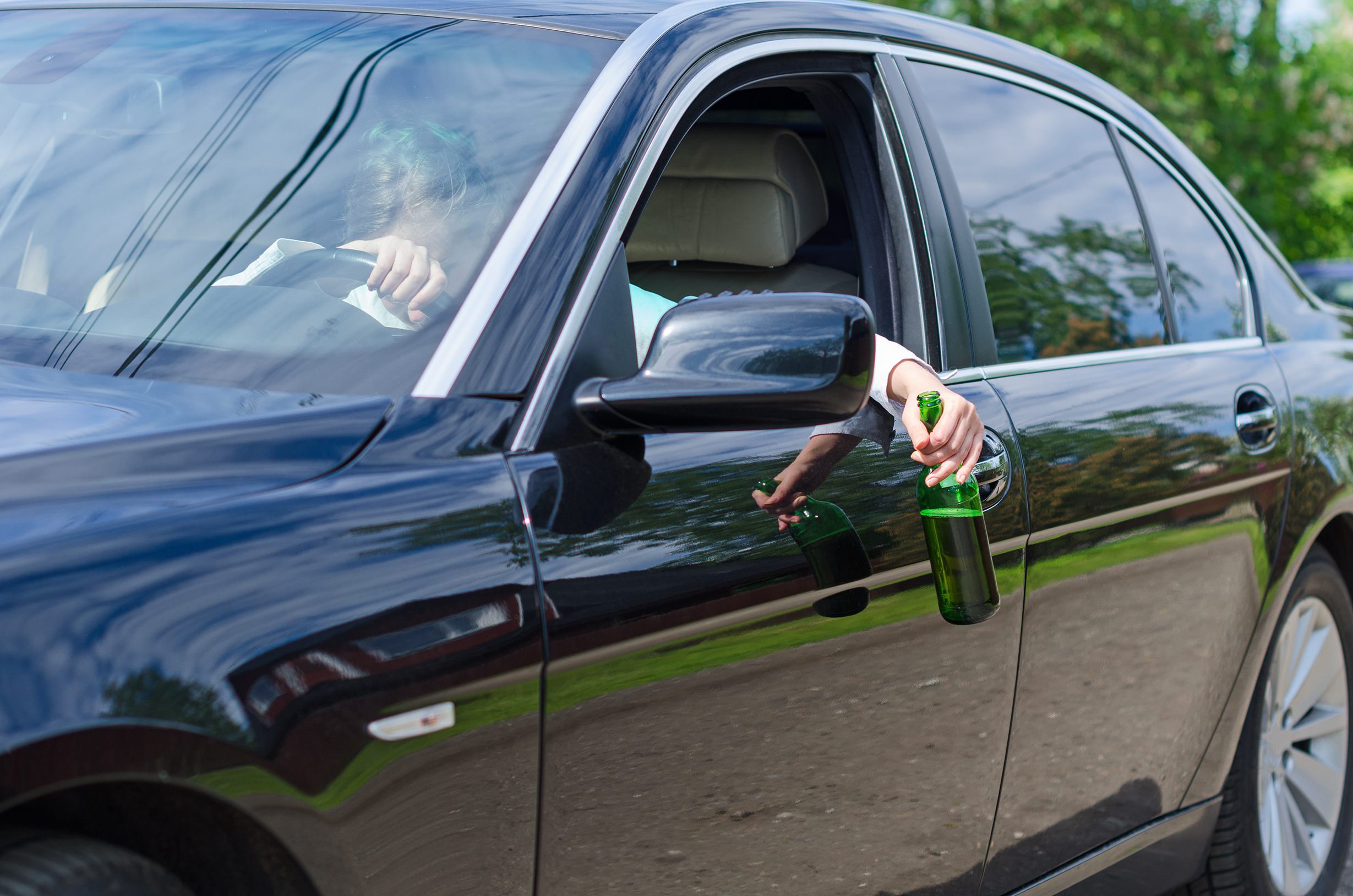 The phrase “Driving Under the Influence,” or DUI, is a legal term. In the simplest terms, it means operating a vehicle while your ability to do so safely has been lessened by alcohol, drugs, or a combination.
Different drugs affect the brain and body in different ways, which in turn leads to different kinds of dangerous driving behaviors:
- Cannabis (Marijuana): After alcohol, cannabis is the drug most frequently found in the blood of drivers involved in crashes. Its effects can include slowed reaction time, a distorted perception of time and distance, and a decrease in coordination. A driver under the influence of marijuana might follow too closely or fail to brake in time for a stopped vehicle.
- Opioids (Prescription Painkillers, Heroin): These drugs cause significant drowsiness, mental clouding, and dizziness. A driver on opioids might drift out of their lane or, in extreme cases, fall asleep at the wheel.
- Stimulants (Cocaine, Methamphetamine, ADHD Medications): While these drugs are known for increasing alertness, they can also lead to aggressive, reckless driving and a feeling of overconfidence. A driver on stimulants might engage in dangerous speeding, weaving through traffic, or tailgating.
- Benzodiazepines (Xanax, Valium): As prescription sedatives, these drugs are intended to calm the nervous system. When taken before driving, they can cause dizziness and drowsiness, severely impairing a driver’s ability to react to changing road conditions.
How Do We Prove the Other Driver Was Impaired in Your Civil Case?
It is important to understand a key distinction: the criminal DUI case against the other driver is an entirely separate matter from your civil personal injury claim.
The state prosecutes the criminal case to punish the driver for breaking the law. Your civil case, on the other hand, is about getting you compensation for the harm you have suffered. While a criminal conviction is certainly evidence in your favor, we do not have to wait for it, nor is it an absolute requirement for the success of your claim.
Your claim is built on the legal concept of negligence. This means we must prove that the other driver failed to act with reasonable care, and that this failure was the direct cause of your injuries. Getting behind the wheel while impaired by drugs is a clear failure to act with reasonable care.
From the moment you decide to work with our firm, we begin the methodical process of gathering the evidence needed to build your case. This includes:
- The Police Report: This is always the starting point. We are looking for the officer’s direct observations: the smell of marijuana, any admission of drug use by the driver, descriptions of erratic behavior or slurred speech, or any mention of drugs or paraphernalia found in the vehicle.
- Field Sobriety and Chemical Test Results: We will issue legal requests to obtain the results of any blood, urine, or saliva tests that were administered after the crash. As we mentioned earlier, even if the results are below a “per se” limit or show a drug that can remain in the system for a long time, these results are still a valuable piece of the puzzle that establishes the presence of an impairing substance.
- Witness Statements: We seek to find out if anyone saw the car swerving, driving much too slowly, or running a red light. Did anyone at the scene notice the driver acting strangely or trying to hide something?
- Expert Witnesses: In cases where the science is difficult, we may retain a toxicologist. A toxicologist is a scientist who specializes in the effects of chemicals on the body. They’ll review the driver’s test results and provide a professional opinion to an insurance company or a jury, explaining how the specific type and amount of drug found would have likely impaired that person’s ability to drive safely.
- The Driver’s Own Testimony: During the legal process, we have the right to question the other driver under oath in a formal proceeding called a deposition. We can ask them directly about their drug use, their activities leading up to the crash, and other questions designed to establish their state of mind and demonstrate their negligence.
What Kind of Compensation Can You Pursue in a Drug-Impaired Driving Case?
We pursue compensation for every aspect of the harm you have endured. This compensation, legally referred to as “damages,” falls into several categories:
Economic Damages
These are the tangible, out-of-pocket financial losses that have a clear dollar amount attached to them. Our goal is to account for every penny.
- Medical Bills: This includes everything from the initial ambulance ride and emergency room visit to any surgeries, hospital stays, follow-up appointments, prescription medications, and future physical therapy or rehabilitation.
- Lost Wages: This covers the income you have already lost because your injuries have kept you from working. It also includes “loss of future earning capacity,” which is compensation for the way your injuries may affect your ability to earn a living in the years to come.
- Property Damage: This is the cost to repair your vehicle or, if it was declared a total loss, its fair market replacement value.
Non-Economic Damages
These losses are just as real as the economic ones, but they do not come with a receipt. They compensate you for the human cost of the accident.
- Pain and Suffering: This is for the physical pain and the emotional and mental distress the accident and your injuries have caused.
- Loss of Normal Life: This provides compensation for the ways your injuries have rewritten every aspect of your life, diminishing your ability to enjoy your daily activities, hobbies, and relationships.
Punitive Damages
In some circumstances, a driver’s conduct is so reckless that Illinois law allows for an additional category of damages. These are called punitive damages.
Their purpose is not to compensate you for a loss, but to punish the wrongdoer and send a clear message that such behavior will not be tolerated in our community.
In Illinois, a jury may award punitive damages if it is proven that the other driver’s actions showed an “utter indifference to or conscious disregard for the safety of others.” Driving under the influence of drugs is frequently the type of conduct that meets this high standard.
Frequently Asked Questions About Drug-Impaired Driving Accidents
What if the driver who hit me has a prescription for the drug they were taking?
Having a valid prescription is not a defense against negligence. If a legally prescribed medication impairs a person’s ability to drive safely, they can still be held liable for any harm they cause. The warning labels on many of these medications specifically advise against operating heavy machinery, which includes a motor vehicle.
What if I was also partially at fault for the accident?
Illinois uses a legal rule known as “modified comparative negligence.” This means you can still recover damages as long as you are not found to be 50% or more at fault for the accident. The amount of compensation you can recover is simply reduced by your percentage of fault.
The driver’s insurance company already called me and made an offer. Should I take it?
You should never accept an offer, sign any documents, or provide a recorded statement to any insurance adjuster without first discussing your case with a lawyer. Initial settlement offers are frequently far less than the full value of a claim. They are made before the true, long-term costs of your injuries are even known. Accepting an early offer could mean you are left paying for future medical care out of your own pocket.
How much does it cost to hire Vito & Dollenmaier Law for a case like this?
We handle personal injury cases on a contingency fee basis. This arrangement means you pay us no fees unless and until we recover compensation for you. Our fee is a percentage of the total amount we secure on your behalf. There are no upfront costs to you.
Let Us Handle the Legal Details So You Can Focus on Healing
 Your job is to get better. Our job is to build the strongest case possible and pursue the maximum compensation available under the law for what you have been through. An experienced personal injury lawyer in Rolling Meadows, Illinois can guide you through the process and protect your rights every step of the way.
Call Vito & Dollenmaier Law today for a no-obligation consultation about your case at (224)539-8821.