
Injured on I-290? What to Know After an Eisenhower Expressway Crash
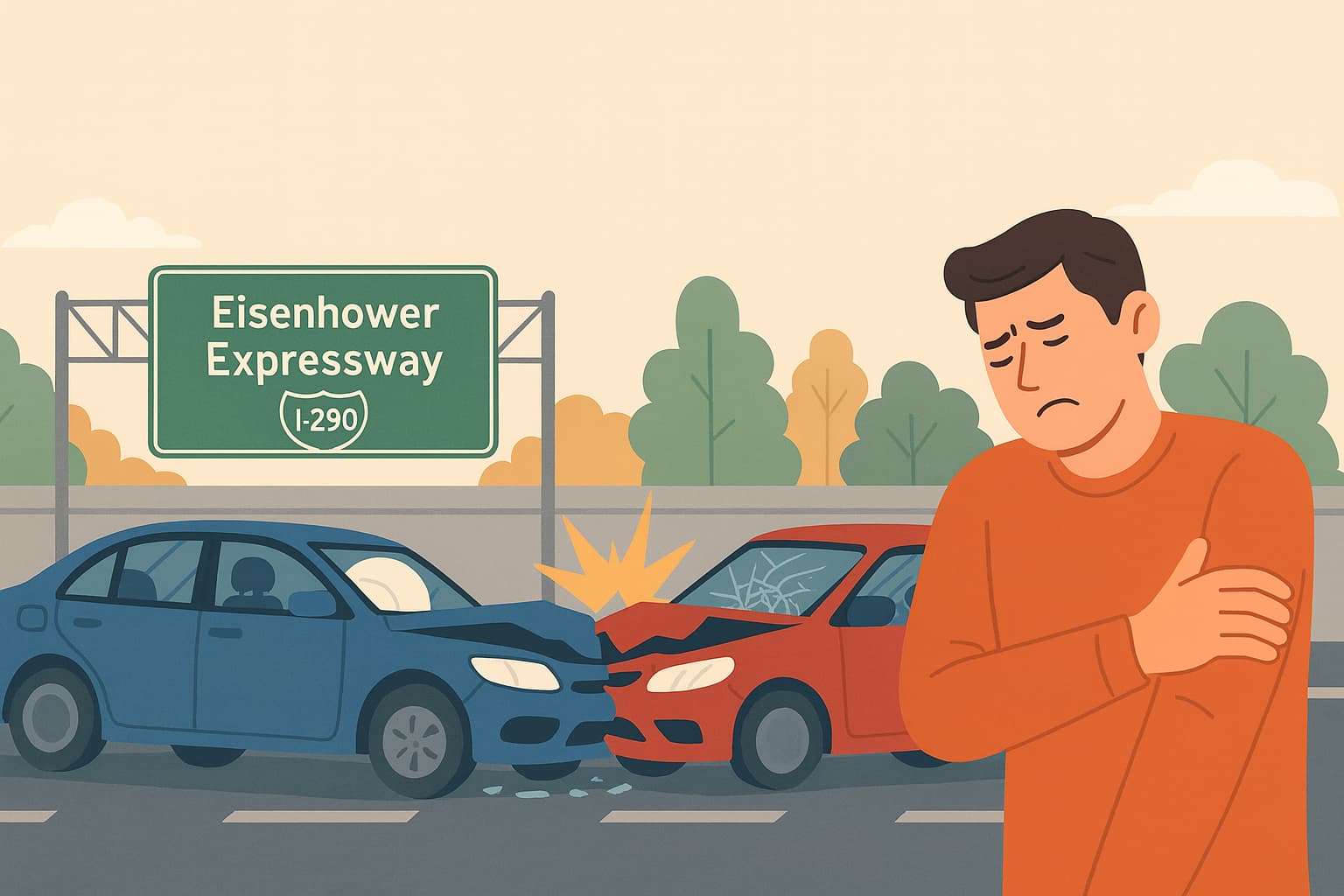
A car accident on I-290 or the Eisenhower Expressway turns a routine commute into a crisis. Within a matter of seconds, you’re dealing with airbag deployment, shattered glass, and the disorienting aftermath of a high-speed collision. Before you’ve even processed what happened, insurance adjusters are calling with questions that could determine the outcome of your claim.
The injuries are real, the bills are piling up, and you need help from someone who understands how Eisenhower crashes happen. At Vito & Dollenmaier Law, our Chicago I-290 car accident lawyers help crash victims preserve disappearing evidence, counter insurance company tactics, and pursue compensation for medical expenses, lost income, and the way a highway collision disrupts every aspect of life.
Call (224) 539-8821 to discuss your Eisenhower Expressway crash and explore your options.
Key Takeaways for I-290 Car Accidents in Chicago
- Multi-vehicle crashes on the Eisenhower Expressway involve multiple drivers with separate insurance policies and conflicting stories about who caused the collision
- Traffic camera footage, event data recorder information, and physical evidence from construction zones may be recorded over or removed within days of a crash
- Illinois law allows you to recover damages even if you were partly at fault, as long as you weren’t more than 50% responsible for the collision
- High-speed collisions on I-290 produce injuries requiring immediate medical attention, ongoing treatment, and thorough documentation to support compensation claims
- Decline recorded statements to insurance adjusters and speak with an attorney before accepting early settlement offers that undervalue your claim
Why Eisenhower Expressway Crashes Are More Complicated Than Surface Street Accidents
Crashes on I-290 involve factors that don’t exist on Chicago’s surface streets or suburban roads. Speeds exceeding 60 mph mean that the kinetic energy involved in collisions can cause devastating injuries. The sheer volume of traffic also means that by the time police arrive, witnesses have continued to their destinations, and critical moments after the crash go undocumented.
Construction Projects That Create Sudden Hazards
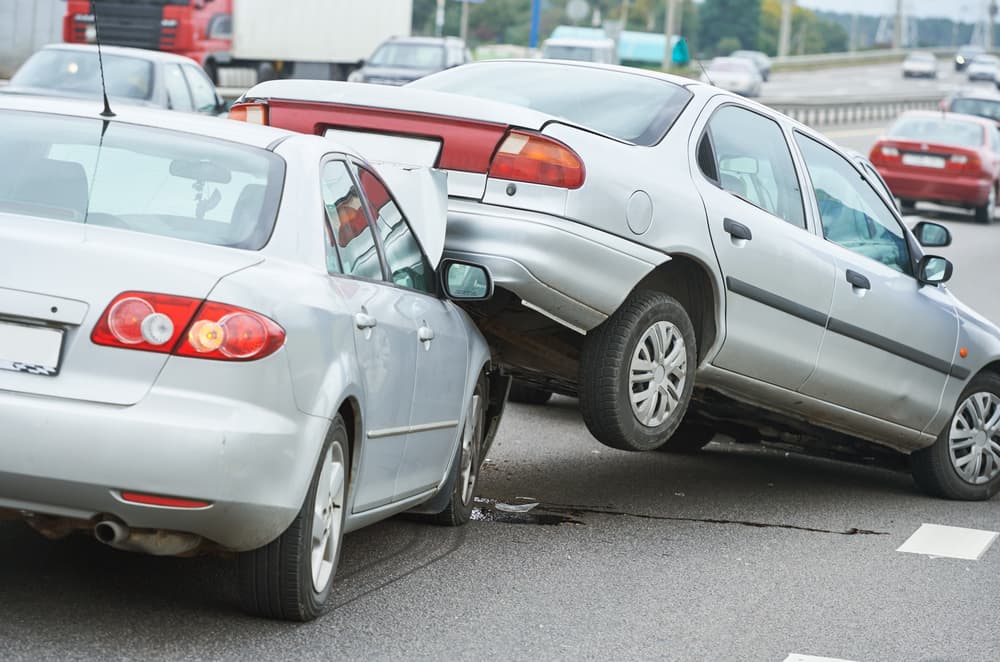
The Illinois Department of Transportation maintains ongoing construction and improvement projects along the Eisenhower Expressway, particularly in segments between downtown and the western suburbs. These work zones create abrupt lane shifts where drivers suddenly find themselves forced into adjacent lanes with minimal warning. Travel lanes narrow to accommodate equipment and barriers, leaving little margin for error when vehicles drift or drivers misjudge spacing.
Rear-end collisions spike in these areas when drivers approaching construction zones fail to reduce speed appropriately.
Winter Weather’s Impact on I-290 Safety
Chicago winters transform the Eisenhower Expressway into a particularly dangerous corridor. Black ice forms on overpasses and shaded sections where pavement temperatures drop faster than the surrounding areas. Snowfall reduces visibility and creates slick conditions that challenge even experienced drivers. Salt trucks and plows work to maintain clear lanes, but precipitation rates sometimes exceed treatment capabilities.
Weather-related crashes near Oak Park or approaching the Jane Byrne Interchange multiply when drivers fail to account for reduced traction. A vehicle that loses control in one lane can slide across multiple lanes, striking several other vehicles before coming to rest.
Fault analysis in these crashes requires examining not just driver actions but also weather reports, road treatment records, and vehicle maintenance histories.
Daily Commuter Patterns and Risk Factors
The Eisenhower Expressway serves as a primary route for commuters traveling between Chicago’s western suburbs and downtown employment centers. Morning rush hour brings eastbound congestion as thousands of vehicles funnel toward the Loop. Evening rush hour reverses the pattern, with westbound traffic backing up near exits serving Oak Park, Forest Park, and communities beyond.
Common crash patterns during these peak periods include:
- Lane change collisions when drivers attempt to move from slower to faster lanes
- Merge accidents where entrance ramp traffic fails to yield or misjudges gaps
- Rear-end impacts during sudden slowdowns caused by upstream congestion
- Sideswipe collisions when drivers drift between lanes in stop-and-go traffic
Fatigue plays a role in many evening commute crashes. Drivers who work long shifts or experience stressful days tend to show slower reaction times and reduced attention to surrounding traffic. Cell phone use exacerbates these problems, with drivers checking messages or answering calls despite Illinois laws prohibiting the use of handheld devices while driving.
What Injured Victims Need to Know Right Now
An Eisenhower Expressway crash can leave you with more questions than answers. At Vito & Dollenmaier Law, we are here to help you move forward and understand what you need to know to move forward.
Can I Afford Medical Treatment While My Claim Is Pending?
Treatment for injuries from an Eisenhower Expressway crash begins immediately, but bills arrive before any settlement materializes. Emergency department care, ambulance transport, diagnostic imaging, and specialist consultations generate charges that can reach tens of thousands of dollars within the first weeks after a collision.
Your personal auto insurance policy’s medical payments coverage may activate regardless of fault, providing a source of payment for immediate care. Health insurance also covers treatment, though coordination of benefits questions sometimes create payment delays.
An attorney can help identify available coverage sources and work with providers on payment arrangements that prevent collection actions while your injury claim proceeds.
What About the Income I’m Losing?
Days or weeks away from work translate directly into lost wages that compound the financial stress a crash creates. Hourly workers lose paychecks immediately. Salaried employees may exhaust their paid leave and face unpaid absences if injuries require extended recovery periods.
Illinois law treats lost wages as compensable economic damages. When injuries prevent returning to your previous occupation, vocational rehabilitation experts may assess reduced earning capacity and calculate lifetime economic losses that become part of your claim.
How Should I Handle Contact from an Insurance Adjuster?
Adjusters representing the at-fault driver’s insurance company often contact crash victims within 24 to 48 hours of a collision. Adjusters make these early calls for recorded statements about how the crash occurred, what injuries you sustained, and what treatment you’ve received. The conversation feels routine, but adjusters may use these statements to lock you into initial versions of events.
Referring adjusters to your attorney shifts control of communications and prevents inadvertent statements that damage your claim. Attorneys know which questions to answer and which to decline.
Does Partial Fault Mean I Can’t Recover Anything?
Many I-290 crashes involve shared responsibility where multiple drivers’ actions contributed to the collision. A driver who changed lanes without signaling might bear primary fault, but if you were following too closely, the insurer might argue you share responsibility for not maintaining adequate space to react.
Illinois comparative fault law, codified at 735 ILCS 5/2-1116, allows recovery as long as your fault doesn’t exceed 50%. Attorneys challenge inflated fault assessments by presenting evidence that establishes what actually occurred, including video footage showing signal use, EDR data revealing speeds, witness statements confirming traffic patterns, and reconstruction analysis demonstrating causation.
Will These Injuries Affect Me Long-Term?
The full impact of crash injuries sometimes doesn’t become clear for weeks or months after the collision. Initial treatment addresses acute trauma, but ongoing symptoms emerge as healing progresses.
Medical professionals, including orthopedic surgeons, neurologists, and pain management doctors, evaluate long-term prognosis and recommend treatment plans that address both current symptoms and future needs. Compensation claims should account for these ongoing impacts, including future medical expenses, permanent limitations, and reduced quality of life.
While no settlement erases what happened, adequate compensation provides resources for continued care and adaptation.
Building Strong Evidence for I-290 Crash Claims
Establishing liability after an Eisenhower Expressway collision requires assembling evidence that proves how the crash occurred and who bears responsibility. Time works against crash victims because critical evidence disappears quickly.
Your Chicago car accident attorney begins evidence preservation by:
Obtaining and Analyzing Official Crash Documentation
Illinois State Police or local law enforcement agencies responding to I-290 crashes create reports documenting scene observations, vehicle positions, driver statements, and preliminary fault determinations. These reports provide foundational information but might contain errors or incomplete details, particularly in multi-vehicle collisions where officers must reconstruct events from conflicting accounts.
Attorneys review crash reports for accuracy and follow up on discrepancies. If a report incorrectly describes vehicle positions or omits relevant details, supplemental investigation fills these gaps.
Securing Surveillance and Traffic Camera Footage
IDOT operates traffic monitoring cameras along I-290 that capture traffic flow and incidents as they occur. Illinois State Police cameras provide additional coverage at strategic locations. Nearby businesses in Oak Park, Forest Park, or Hillside might have security cameras pointed toward the expressway or adjacent frontage roads.
This footage provides objective evidence of how crashes occurred, showing speeds, lane positions, signal use, and driver actions in the moments before impact. Preservation requests must go out immediately because camera systems record over existing footage on short cycles.
Personal injury attorneys send formal preservation letters to IDOT, police agencies, and businesses, placing them on notice that the footage contains relevant evidence.
Extracting Event Data Recorder Information
Modern vehicles contain sophisticated computers that continuously monitor vehicle systems and driver inputs. Event data recorders capture critical information when sensors detect crashes, including:
- Vehicle speed in five-second intervals before impact
- Throttle position and brake application
- Steering angle and direction changes
- Seatbelt status for driver and passengers
- Airbag deployment timing and force
Downloading EDR data requires specialized equipment and must occur before vehicles undergo repairs or salvage. This information proves whether drivers were speeding, whether they attempted to avoid a collision, and how severe the impact forces were.
Investigating Driver Behavior Through Phone Records
Illinois Vehicle Code Section 625 ILCS 5/12-610.2 prohibits using handheld electronic devices while operating vehicles. Violations create presumptions of distraction that support negligence claims. Phone records obtained through a subpoena show whether drivers were actively using devices at the time of the crash.
For crashes involving rideshare vehicles operating on I-290, app data reveals driver status and trip details that determine which insurance policies apply. Commercial truck drivers face Hours of Service regulations, and app data or electronic logging device records can reveal violations that contributed to crashes.
Employing Accident Reconstruction Analysis
Complex crashes sometimes benefit from professional reconstruction analysis, which applies physics and engineering principles to determine how the collisions occurred. When necessary, reconstruction experts examine physical evidence, including:
- Tire marks and roadway scars showing braking and steering
- Vehicle crush damage indicating impact severity and angles
- Final rest positions establishing post-impact trajectories
- Roadway geometry affecting sight distances and reaction times
In construction zone crashes, experts evaluate whether signage, barriers, and lane markings met design standards and provided adequate warning.
Protecting Your Rights After an I-290 Collision
The decisions you make in the weeks following an Eisenhower Expressway crash directly affect your ability to recover full compensation. These steps help you build the strongest possible claim while focusing on your physical recovery:

Continue All Prescribed Medical Treatment
Completing your treatment plan demonstrates injury severity and commitment to recovery. Each appointment, therapy session, and follow-up visit creates records that support your claim. If new symptoms develop or existing symptoms worsen, report these changes to your physicians immediately.
Maintain Detailed Records and Documentation
Organized documentation helps attorneys calculate damages accurately:
- Medical bills and treatment records
- Prescription receipts and medical equipment costs
- Employment records showing missed work and lost wages
- Photos documenting injury progression and vehicle damage
- Daily journals describing pain levels and activity limitations
- Correspondence with insurance companies
Preserve Physical Evidence When Possible
Keep damaged personal items from the crash, including torn clothing or broken eyeglasses that illustrate impact severity. Maintain your vehicle in its post-crash condition until your attorney advises whether inspection or photography is needed.
These items provide tangible evidence that helps juries understand what you experienced.
Limit Social Media Activity
Insurance companies monitor social media accounts looking for posts that contradict injury claims. A photo showing you at a family gathering might be used to argue your injuries aren’t limiting your activities, even if you attended briefly and suffered increased pain afterward.
Set accounts to private and avoid posting about your crash, injuries, or legal claims.
Work Closely With Your Attorney
Bring questions and concerns to your attorney rather than attempting to handle insurance company contacts or legal issues independently. Your attorney has handled numerous highway crash cases and knows how to protect your interests.
Early and consistent communication helps make sure nothing falls through the cracks.
FAQ for I-290 and Eisenhower Expressway Car Accidents in Chicago
Who Is at Fault in an Eisenhower Expressway Crash Involving Multiple Vehicles?
Fault in multi-vehicle crashes on I-290 requires examining each collision separately, determining which drivers failed to maintain safe speed or following distance, and identifying the initial impact that triggered the chain reaction. Illinois comparative fault rules allow recovery even when a victim shares some responsibility.
How Long Do I Have to File a Claim After an I-290 Accident in Illinois?
735 ILCS 5/13-202 provides two years from the crash date to file personal injury lawsuits arising from car accidents on I-290 or anywhere in the state. Missing this deadline may eliminate the right to pursue compensation through the courts.
Can I Sue After a Car Accident on the Eisenhower Expressway if the Other Driver Was Uninsured?
Uninsured motorist coverage on the victim’s own auto policy usually provides compensation when at-fault drivers lack insurance or carry inadequate liability limits. These claims proceed against the victim’s insurer but require proof of the other driver’s fault.
What Compensation Might Be Available After a Serious Injury from an I-290 Car Accident?
Compensation after the Eisenhower Expressway crashes might include medical expenses, future treatment costs, lost wages, reduced earning capacity, property damage, pain and suffering, and other damages, depending on injury severity and liability proof.
Do I Need a Lawyer After a Car Accident on I-290 Near Downtown Chicago?
Legal representation helps crash victims preserve evidence, counter insurance company tactics, establish the extent of injuries, and pursue fair compensation after collisions on I-290, particularly when injuries are severe or liability is disputed.
Get Help After a Crash on Chicago’s Eisenhower Expressway
Car accidents on I-290 and the Eisenhower Expressway between downtown Chicago and the western suburbs leave victims facing complex insurance claims, disputed liability, and mounting medical expenses. Vito & Dollenmaier Law helps injured drivers, passengers, and commuters secure evidence, document injuries, and pursue compensation after collisions on this heavily traveled corridor.
If you were injured in a car accident on the Eisenhower Expressway or need help understanding your rights after a crash on I-290, call (224) 539-8821 for a case evaluation. Our Rolling Meadows office serves Chicago and the surrounding suburbs, providing the evidence-led representation that highway crash cases require.